November 4, 2026
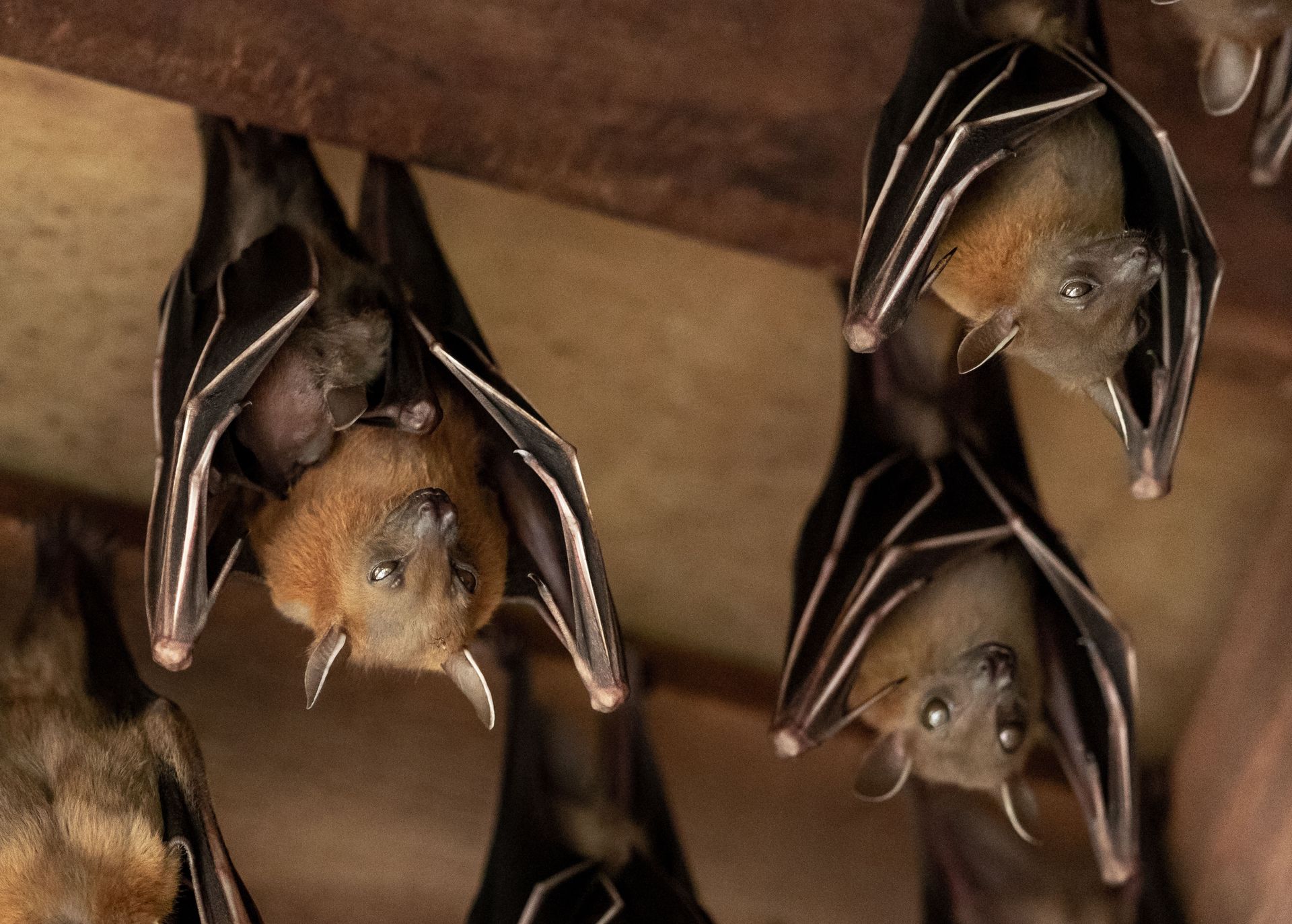
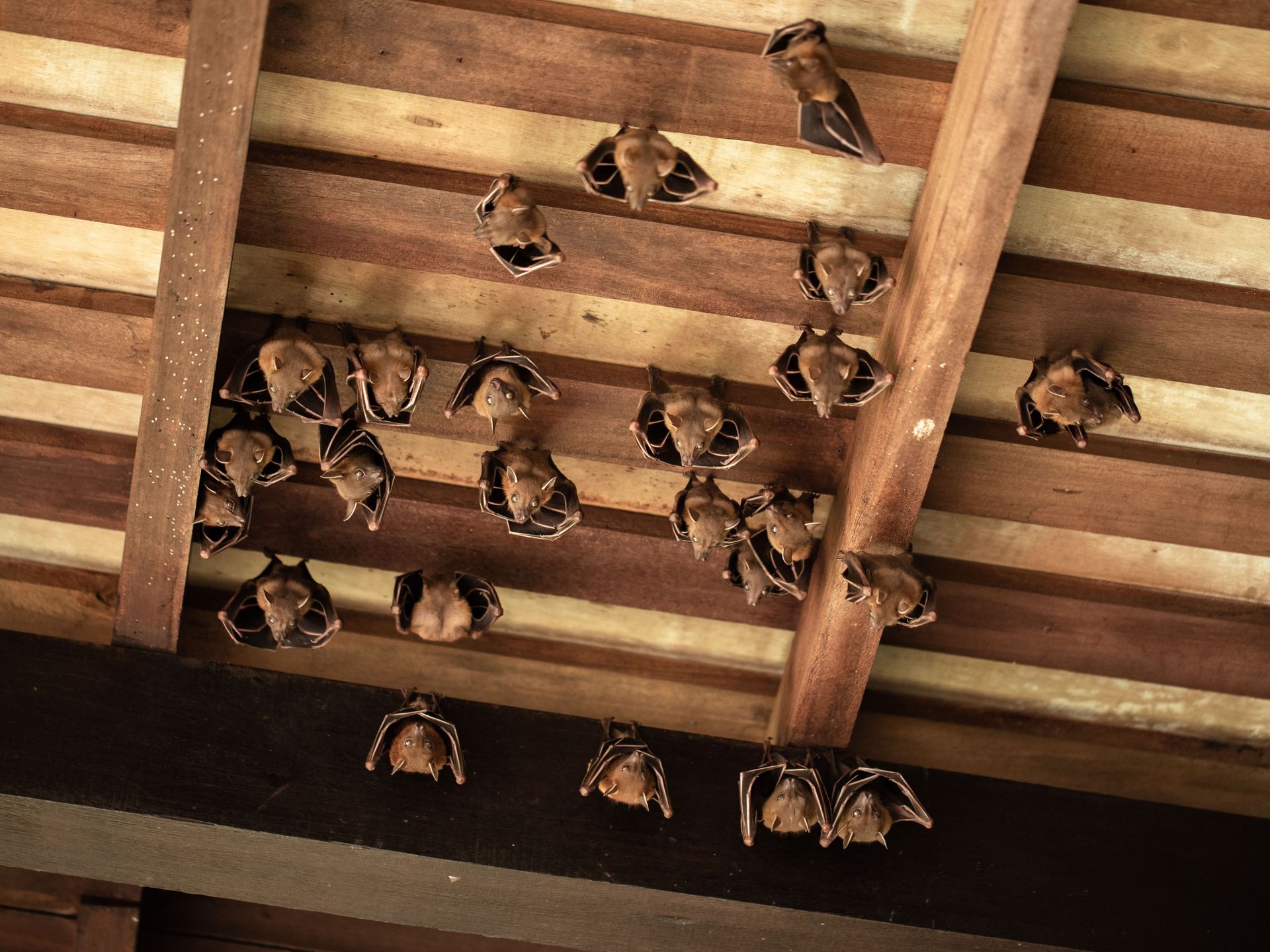
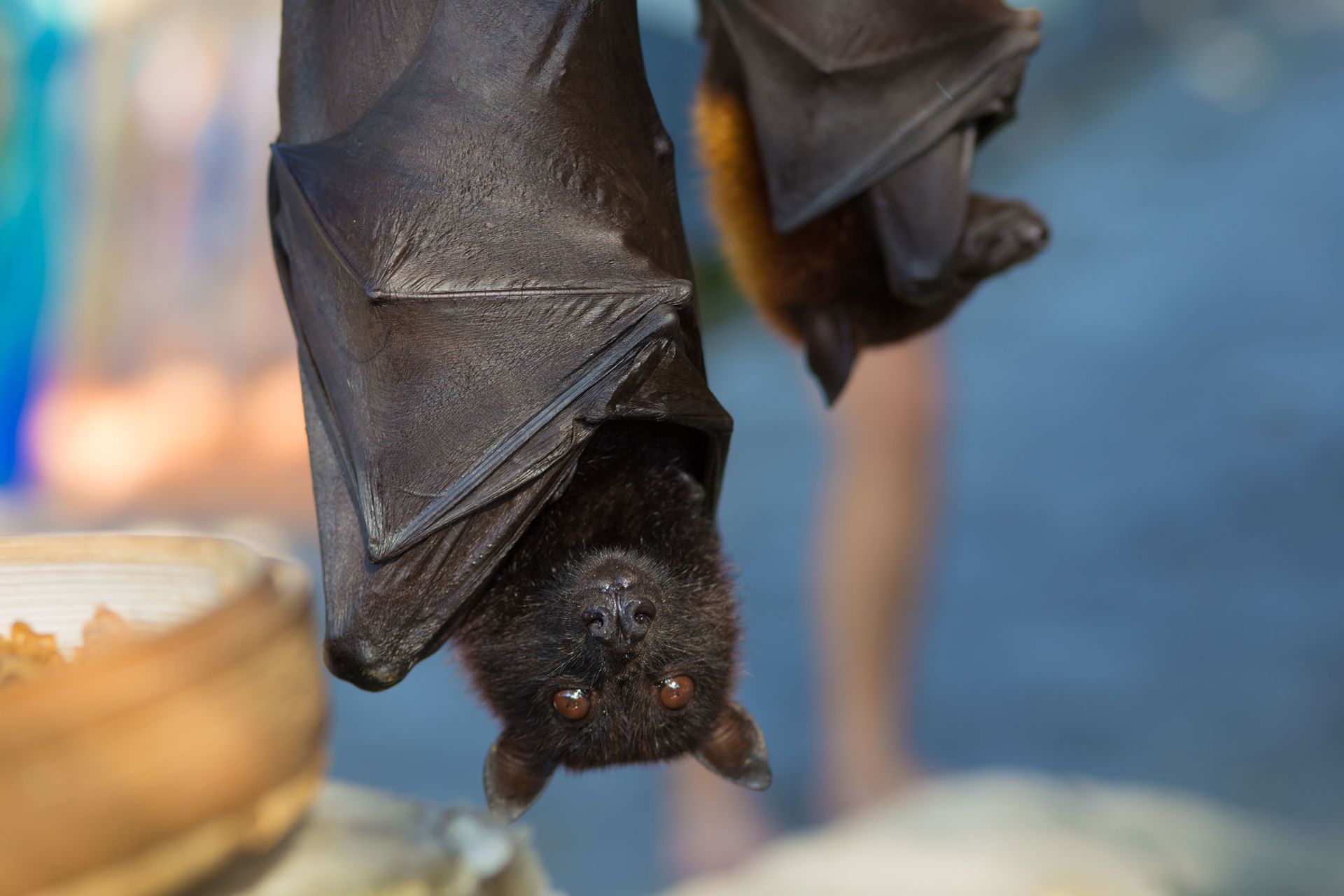
Bats can enter homes through small openings and take shelter in areas such as attics. Their presence may go unnoticed until homeowners see bats flying near the property, hear activity inside the home, or find droppings in an attic or another enclosed space. Recognizing these signs can help homeowners determine when professional assistance may be needed.
Bat removal involves more than addressing the animals inside a home. Identifying potential entry points, removing bats, and addressing affected attic areas can help reduce the chance of another infestation. Understanding what to look for is a useful first step toward resolving a bat problem.
Common Signs of a Bat Infestation
Identify Potential Entry Points
Bats can enter through openings around a home's exterior. Gaps near the roofline, attic vents, and other exterior features may provide access to enclosed spaces. Homeowners may notice bats flying near the same section of a building at dusk or see them leaving an opening.
According to Bat Conservation International, potential access areas for bats include structural penetrations as small as 5/16 inches (8mm) x 1 1/2 inches (38 mm), or holes 5/8 inches (16mm) x 7/8 inches (22 mm), which can include expansion joints, holes, cracks, or crevices on the exterior of a structure. Finding a potential entry point does not necessarily confirm that bats are inside. A professional assessment can help identify where bats may be entering and determine what steps are appropriate for removal and exclusion.
Recognize Bat Guano Accumulation
Bat droppings, commonly called guano, may accumulate beneath a roosting area. Homeowners might notice droppings in an attic, near an exterior opening, or in another area where bats have been gathering. A buildup of guano can indicate that bats have been using the space for some time.
Assess Attic Damage
Bats may leave behind guano and other debris in an attic or roosting area. Over time, accumulated waste can affect insulation and create a need for cleanup. Homeowners who notice droppings, odors, or disturbed insulation may benefit from having the area assessed.
An attic assessment can help determine whether insulation removal, cleanup, or other restoration work is appropriate. Addressing affected materials after bat removal can help prepare the space for continued use. A professional wildlife removal service can also evaluate whether the attic needs additional attention.
Effective Bat Removal Methods
Arrange Professional Bat Removal
Bat removal can require careful handling and an understanding of how bats use a building. Homeowners should avoid trying to capture bats by hand or disturbing a suspected roost. A professional wildlife removal service can assess the situation and determine an appropriate approach.
Professional removal can also help identify areas that may need further attention, including openings around the home's exterior and affected attic spaces. Addressing these concerns together can help make the removal process more comprehensive. A wildlife removal professional can assess whether exclusion or cleanup should follow the removal work.
Identify and Seal Entry Points
After bats have been addressed, potential entry points should be identified and considered as part of an exclusion plan. Openings around the roofline, vents, and other exterior areas may allow wildlife to access a building. Locating these areas can help determine where exclusion work is needed.
Sealing openings without first determining whether bats remain inside can create additional problems. A professional can assess the building and coordinate removal and exclusion steps to help prevent bats from becoming trapped within the structure. This assessment can help guide the wildlife removal plan.
Prevent Bats From Returning
Preventing another bat infestation involves addressing the access points that allowed bats to enter. Exclusion work can help limit access to the building, while an assessment of the affected areas can identify additional concerns that may need attention. These measures can be considered as part of a professional wildlife removal and exclusion service.
Homeowners can also pay attention to changes around the exterior of the property. If bats continue to appear near the same area or signs of activity return, a professional assessment can help determine whether further exclusion or removal work is needed. Addressing recurring activity promptly can help homeowners decide on the next steps.
Complete Attic Restoration
Remove Contaminated Insulation
Insulation in an attic may be affected by accumulated guano or other debris. Depending on the condition of the material, removal may be needed before the space can be cleaned and restored. An assessment can help determine which areas require attention.
Removing affected insulation can also make it possible to address the underlying attic conditions. The scope of the work depends on the condition of the space and the extent of the contamination. Professional wildlife removal and restoration services can help determine what work is appropriate after the bats have been removed.
Clean and Sanitize Affected Areas
Bat guano and related debris can remain in areas where bats have roosted. Professional attic cleanup can address accumulated waste, while decontamination services can help treat affected areas. The work should focus on spaces impacted by the infestation.
Cleanup should be considered after bats have been removed and potential entry points have been addressed. This sequence helps restoration work focus on the affected space without overlooking the source of the infestation. A professional assessment can help determine whether additional cleanup is necessary.
Install New Insulation
After contaminated insulation has been removed and the attic has been cleaned, new insulation may be appropriate. The need for replacement depends on the condition of the existing material and the extent of the affected area. An assessment can help determine whether installation should be included in the restoration work.
Attic insulation removal and installation can be part of a broader restoration project. Addressing these services alongside cleanup can help homeowners restore an attic after a bat infestation. The work should be based on the condition of the affected space.
Simple Bat Prevention Measures
Address Potential Access Points
Openings around rooflines, vents, and other exterior features can provide access for bats and other wildlife. Periodically checking these areas may help homeowners notice gaps or changes that need attention. Particular attention to previously identified entry points can help with ongoing prevention.
When potential openings are found, professional exclusion work can help address them. A thorough assessment can also help identify access points that may not be immediately obvious from the ground. A wildlife removal professional can determine which areas may need additional work.
Consider Professional Bat Exclusion
Bat exclusion focuses on limiting wildlife access to a building. It may involve identifying entry points and addressing openings as part of a removal plan. Exclusion is an important consideration when bats have been using an attic or another enclosed area.
Professional wildlife services can evaluate the property and determine which exclusion measures are appropriate. Coordinating exclusion with removal can help address the infestation and reduce the possibility of recurring activity. A professional assessment can also help identify any remaining concerns.
Maintain the Condition of the Property
Regularly observing the home's exterior can help homeowners notice signs of wildlife activity. Bats flying near an opening, droppings beneath a suspected roost, or recurring noises in an attic may indicate that further assessment is needed. These observations can help homeowners recognize when professional assistance may be appropriate.
Bat infestations can leave behind hidden entry points, guano buildup, and damaged attic insulation. Addressing these concerns can help restore affected areas and reduce the likelihood of bats returning. Aksarben Bat & Critter Removal provides bat removal, exclusion, attic cleanup, decontamination, insulation services, and restoration for homes in Omaha, Nebraska, and surrounding areas. Learn more about professional bat removal and attic restoration to find the right next steps for your property.