September 4, 2026
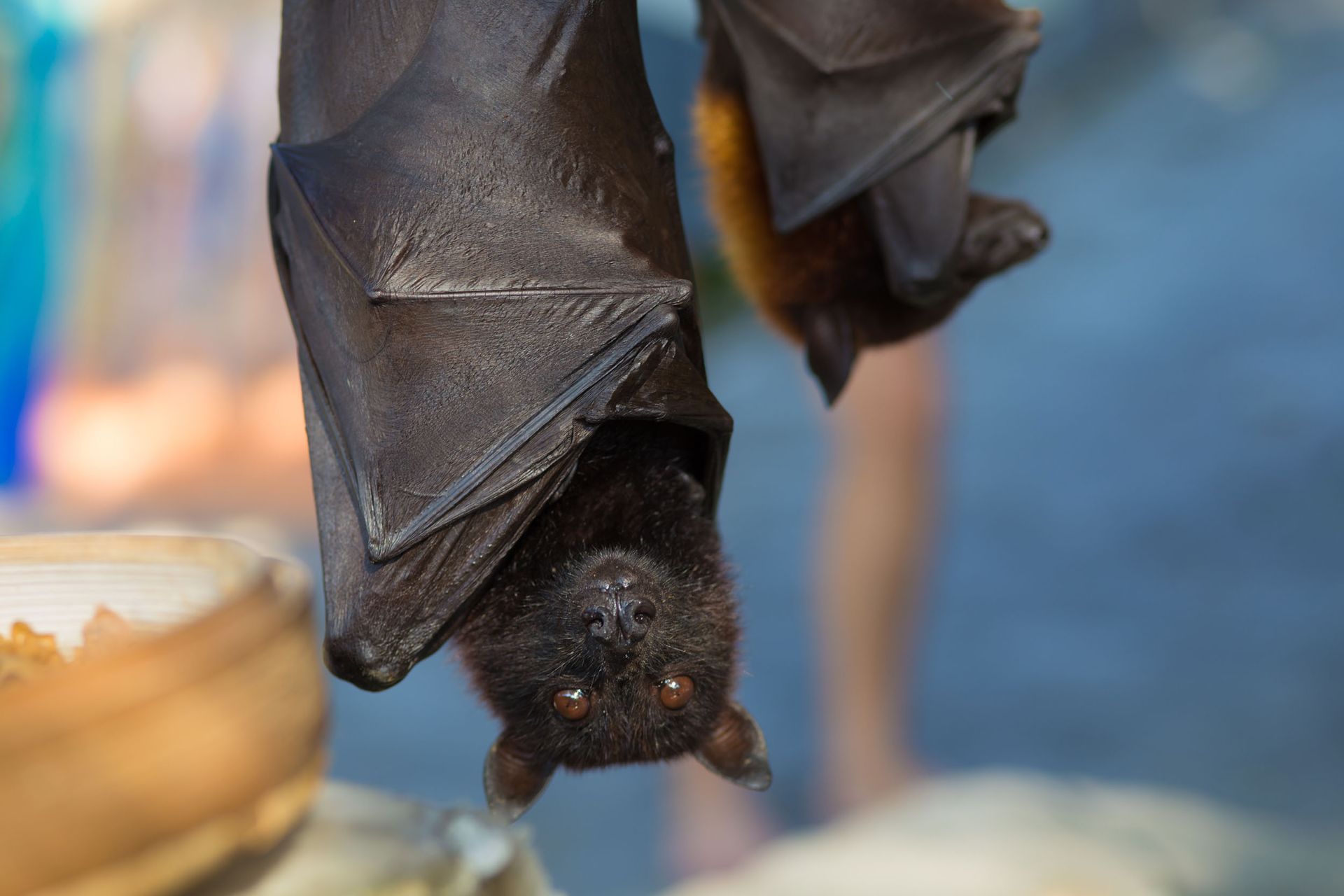
When wild creatures seek shelter inside residential properties, homeowners often face significant stress regarding safety, sanitation, and long-term property damage. Bats are among the most common uninvited guests that take up residence in attics, soffits, and wall cavities. While these nocturnal mammals play a vital role in natural ecosystems by controlling insect populations outdoors, their presence inside a residence poses serious risks to human health and structural integrity. Attempting to deal with an infestation without professional assistance can lead to ineffective results, accidental exposure to hazardous materials, or illegal harm to protected species. Partnering with a professional wildlife removal service ensures that the infestation is handled safely, thoroughly, and in full compliance with local regulations.
Identifying the Dangers of Bat Encroachment
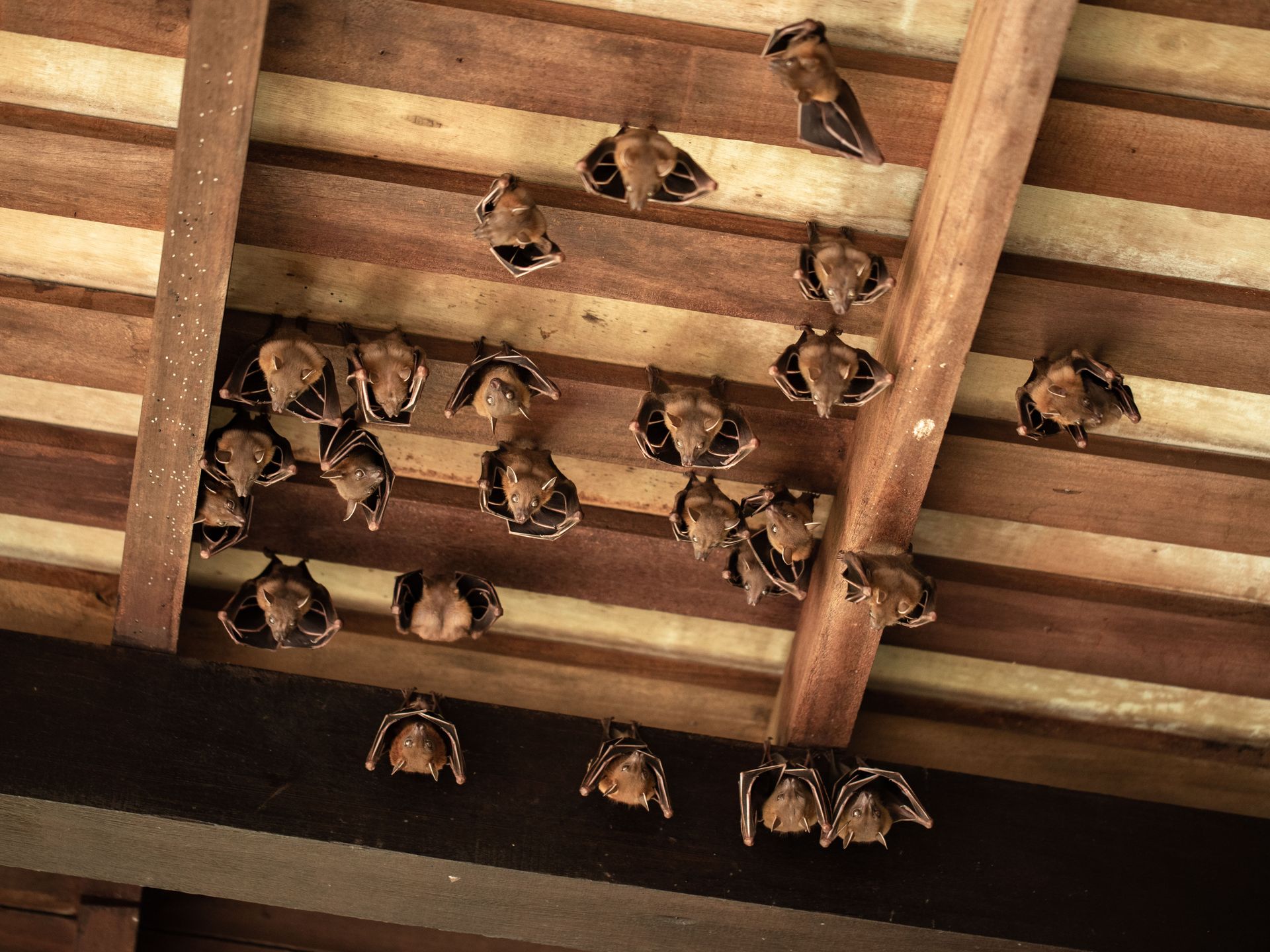
Bat colonies often enter residences through tiny gaps in rooflines, fascia boards, vents, or chimneys. Because these creatures are small and quiet during daytime hours, an infestation can remain undetected for a lengthy duration before any visible damage occurs. Over time, the subtle signs of their presence become increasingly obvious to vigilant homeowners. You might notice unusual vocalizations at dusk, scratching noises emanating from within wall cavities, or dark oil staining along entry points caused by natural oils in their fur. Identifying these early indicators promptly is essential for preventing extensive property degradation and protecting household members from harmful environmental exposure within the living area.
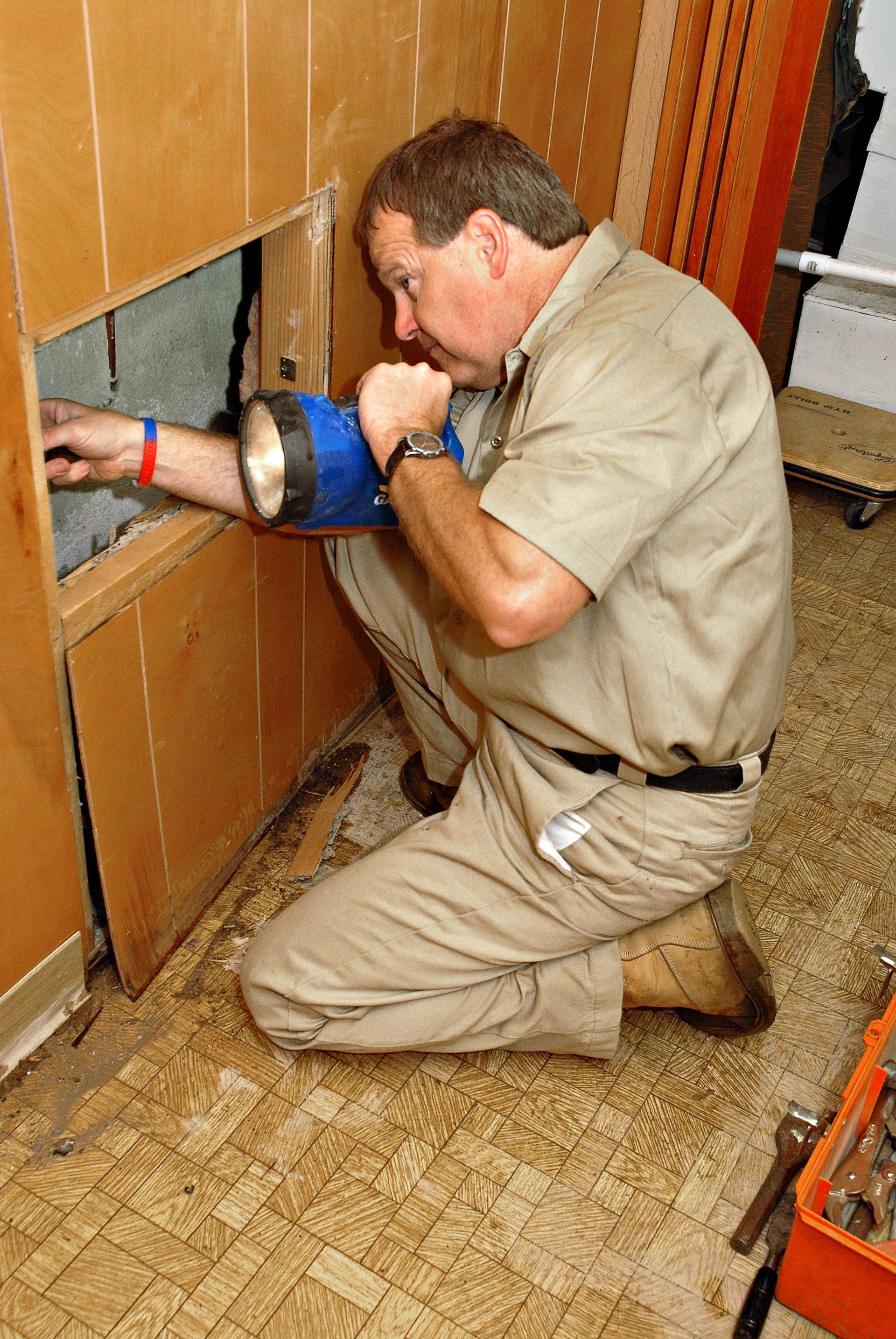
Ignoring the early warning signs of an infestation allows the roosting colony to expand rapidly without hindrance. As the population grows within hidden structural areas of the house, the potential for severe contamination and structural degradation increases exponentially. DIY remedies frequently fail because bats can squeeze through spaces that are remarkably small, making complete sealing a complex and frustrating challenge for untrained individuals. Hiring an experienced wildlife removal service provides homeowners with a comprehensive inspection that pinpoints every vulnerable entry point around the exterior structure. Professional technicians possess the specialized knowledge required to identify hidden roosting areas and assess the full extent of the infestation before formulating a customized mitigation strategy.
Understanding the Health Risks of Bat Guano
The primary health hazard associated with bat infestations stems from the steady accumulation of fecal matter, commonly referred to as guano. Accumulated droppings create a fertile breeding ground for microscopic fungal spores known to cause histoplasmosis, a serious respiratory infection in humans. When guano remains undisturbed in dry, enclosed spaces like attics, fungal spores become airborne easily whenever the area is disturbed by airflow or human activity. Inhaling these airborne spores can lead to severe flu-like symptoms, chronic lung issues, or even systemic complications in vulnerable individuals who breathe in the contaminated air.
The sheer volume of waste generated by a roosting colony can quickly transform a standard attic space into a hazardous environment. According to the National Pest Management Association, one bat can produce between 20-30 droppings a day. Multiply that daily output across a modest colony over several months, and the resulting accumulation can cause ceiling collapses, persistent foul odors, and widespread fungal contamination. Furthermore, bat droppings and urine attract secondary pests such as dermestid beetles, cockroaches, and mites, compounding the sanitary risks within the living space. Enlisting a certified wildlife removal service ensures that hazardous waste is contained and remediated according to strict biohazard standards.
Mitigating Structural Damage to Your Property
Beyond severe health concerns, roosting colonies exert immense physical wear and tear on residential buildings over extended periods. Bat urine contains high concentrations of uric acid, which corrodes building materials, metal fasteners, and wood framing over time. As liquid waste saturates attic insulation, drywall, and wooden structural beams, it degrades overall structural integrity and causes unsightly staining on ceilings below. The resulting moisture buildup creates an ideal environment for wood-rotting fungi and toxic mold strains, leading to costly structural repairs if left unaddressed. Additionally, saturated insulation loses its thermal resistance, driving up home heating and cooling expenses significantly throughout the year.
Physical damage is not limited to wood and drywall alone. Bats often dislodge, compress, or destroy attic insulation while crawling through structural voids, destroying energy efficiency throughout the entire property. Furthermore, their toxic waste can accumulate inside wall cavities and air ducts, spreading pungent odors throughout the entire heating and ventilation system. Attempting to repair structural components without first eliminating the root cause is an exercise in futility. Relying on an established wildlife removal service guarantees that all underlying animal activity is halted completely before restoration work begins, preserving the structural longevity and financial value of the residence.
Utilizing Safe and Humane Exclusion Techniques
Removing bats from a residential building requires specialized techniques that differ vastly from standard insect or rodent extermination practices. Because bats are ecologically valuable and frequently protected by state or federal conservation laws, chemical pesticides or lethal traps are strictly illegal and environmentally harmful. Traditional extermination methods can also leave dead animals hidden deep within wall cavities, causing unbearable decaying odors and severe secondary pest infestations. Humane exclusion is the only legal and effective method for removing these flying mammals from residential properties without harming the animals or breaching wildlife preservation statutes.
Humane exclusion involves installing specialized exit-only devices over primary entry points, allowing bats to exit the building naturally at night to feed while preventing their return. Once technicians confirm that all animals have safely vacated the structure, these temporary devices are removed and entryways are permanently sealed against future entry. Timing is critical during this process, as exclusion must avoid seasonal flightless periods when young could be trapped inside. A qualified wildlife removal service understands wildlife biology, seasonal rules, and proper device installation, ensuring that the exclusion process remains entirely humane, legal, and completely successful.
Securing Your Home Against Future Invasions
Evicting current animal inhabitants is only part of the struggle when safeguarding a property from long-term pest problems. Because bats possess strong homing instincts, displaced colonies will persistently attempt to re-enter their established roosts or find alternative openings nearby. Effective long-term protection requires meticulous exclusion proofing, which involves sealing every potential gap, crack, and crevice across the exterior of the house. Materials such as heavy-gauge wire mesh, silicone sealants, and custom metal flashing must be applied expertly to withstand weather degradation and persistent animal attempts at re-entry.
Professional technicians conduct comprehensive inspections from foundation to roofline to ensure every potential vulnerability is addressed. Roof vents, gable louvers, ridge caps, and soffit seams require precise fitting to maintain necessary home ventilation while barring animal access. Additionally, thorough cleanup and biological decontamination of affected areas neutralize lingering pheromones that attract other wildlife to the site. Contracting a dependable wildlife removal service offers homeowners long-term peace of mind, knowing that structural repairs and preventative barriers are designed to withstand time and keep wild creatures permanently outdoors.
Protecting your home and family from the hazards of a bat infestation requires prompt, professional, and knowledgeable intervention. From eliminating serious respiratory health risks associated with guano to preventing catastrophic structural degradation and securing entry points, expert intervention is essential for lasting relief. Attempting dangerous DIY removals can worsen the damage, violate wildlife protection laws, and expose occupants to dangerous pathogens. Trusting an experienced wildlife removal service ensures that every stage of inspection, exclusion, sanitation, and prevention is executed with precision and care. Protect your property and restore your peace of mind by contacting Aksarben Bat & Critter Removal today.