March 5, 2026
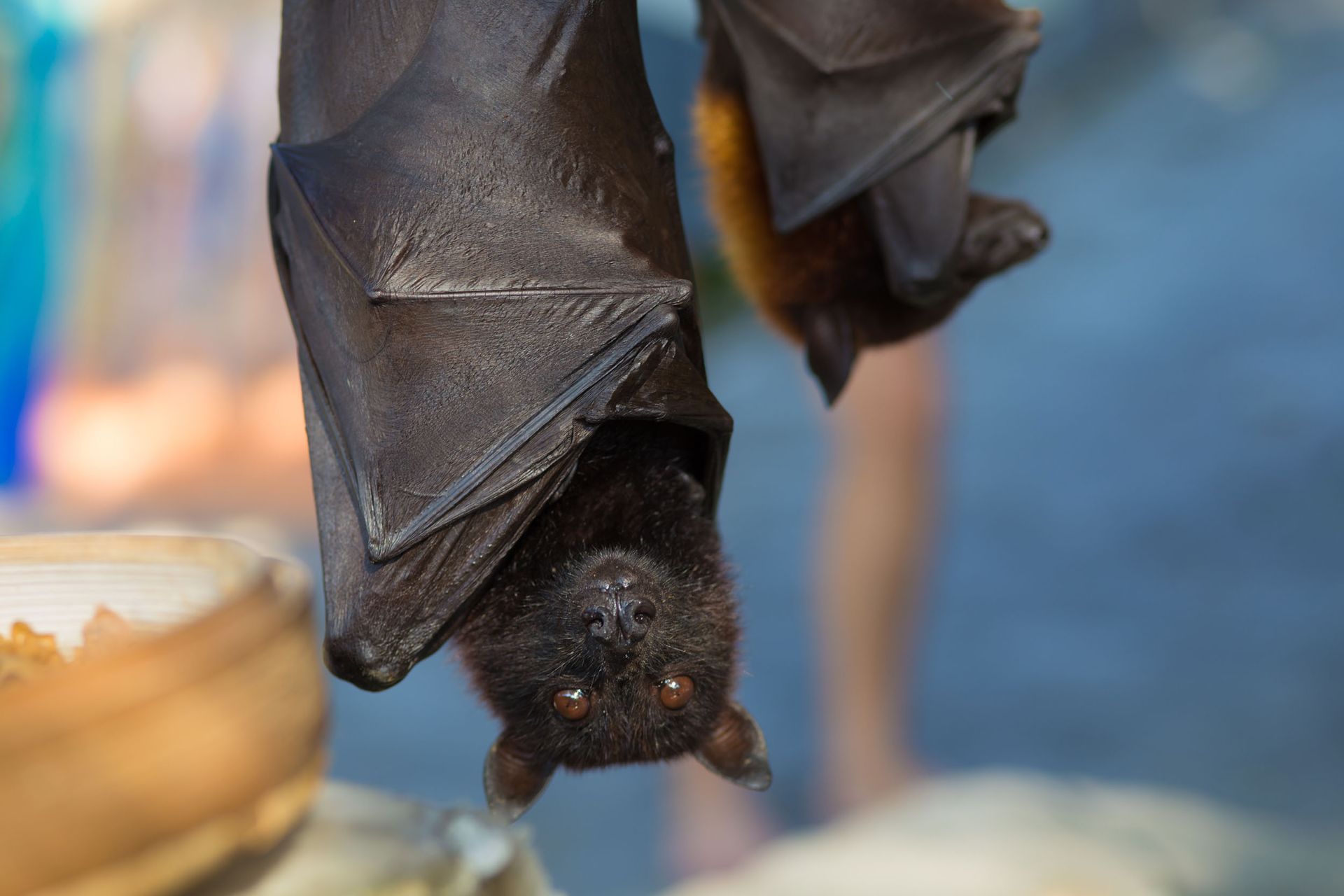
Bats play a crucial role in the ecosystem, but when they invade your home, they can become a significant nuisance. While it might be tempting to handle the problem yourself, calling an expert for bat removal is often the best decision. The need for specialized knowledge, equipment, and techniques makes expert intervention the safest choice.
1. Understanding Bat Behavior
Identifying bat species is not a straightforward task, often requiring significant expertise. Different species have varying legal protection statuses, impacts on ecosystems, and removal protocols. Misidentification could lead to unintentional violations of wildlife laws. Professionals possess the necessary skills to correctly identify bat species, ensuring that the removal process complies with regulations. Their experience allows them to implement removal techniques that minimize harm to bats while effectively addressing the infestation.
Bats are primarily nocturnal creatures, making their removal during daylight more effective. Their nighttime activity means that attempts to remove them can be both complicated and dangerous for untrained individuals. Professionals plan removal sessions to coincide with the natural behaviors of bats. This understanding of their nocturnal habits allows experts to design strategies that are both efficient and non-intrusive. Their methods ensure that the eviction process does not inadvertently cause more problems.
Bats are known for their seasonal movement and migration, which can affect the timing of removal. Understanding when bats are likely to move and breed is critical in planning long-term removal strategies. Professionals use this information to ensure that their techniques are employed when bats are least likely to be harmed or to return swiftly. This consideration helps in timing the removal process correctly, minimizing disruption for both bats and homeowners. Their insight into bat migration and nesting seasons further enhances the success of removal efforts.
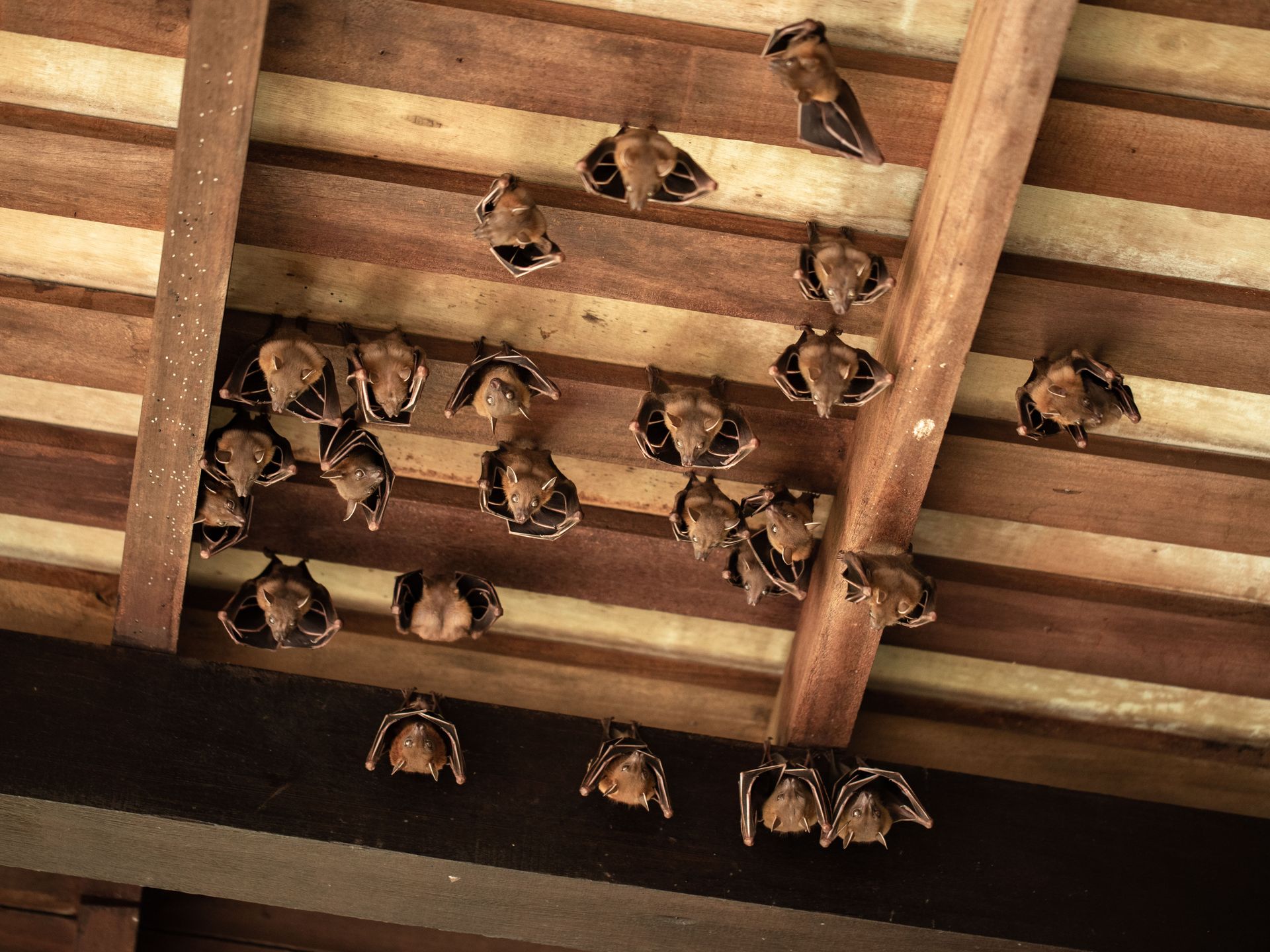
Roosting sites, such as attics and abandoned buildings, are often favored by bats. According to the IDPH, bats often choose spaces that have openings greater than 1/4 of an inch, making them suitable for raising their pups. Identifying and sealing these entry points are crucial steps in the removal process. Experts are skilled in assessing roosting preferences and locating likely access points. Their targeted approaches ensure that these sites are appropriately sealed to prevent re-entry.
2. Health and Safety Concerns
Rabies is a severe concern associated with bats, requiring specialized intervention for removal. The transmission of rabies from bats to humans or pets can occur through bites or scratches. Handling bats without professional equipment significantly elevates the risk of contracting the disease. Engaging professionals who are well-versed in cautious management ensures injuries and accompanying health risks are minimized. Moreover, experts are trained to identify symptoms of rabies in bats, providing a safer removal process.
Professional bat removal involves using specialized protective equipment to ensure safety during the process. Such equipment includes gloves, masks, and biohazard suits meant to protect against health risks. Untrained individuals might not have access to or knowledge of this essential gear, leading to inadequate protection. Professionals are familiar with both the equipment and the protocol needed for safe bat removal. Their expertise ensures safe interaction with bats, significantly reducing the chance of injuries or infections.
In cases of direct contact with bats, handling bites and scratches properly is crucial for safety. Immediate professional intervention is recommended when contact results in injury. Experts are trained to administer first aid and understand when medical assistance is necessary. Professionals can provide advice on monitoring symptoms and taking preventative measures against rabies. This knowledgeable approach ensures health concerns are promptly addressed, minimizing risks posed by bat interactions.
Laws protecting bats are in place in many areas to ensure their conservation. Professionals are knowledgeable about these legal requirements and adhere to ethical standards during removal. Employing humane practices is vital for respecting wildlife and avoiding penalties.
3. Structural Inspection Skills
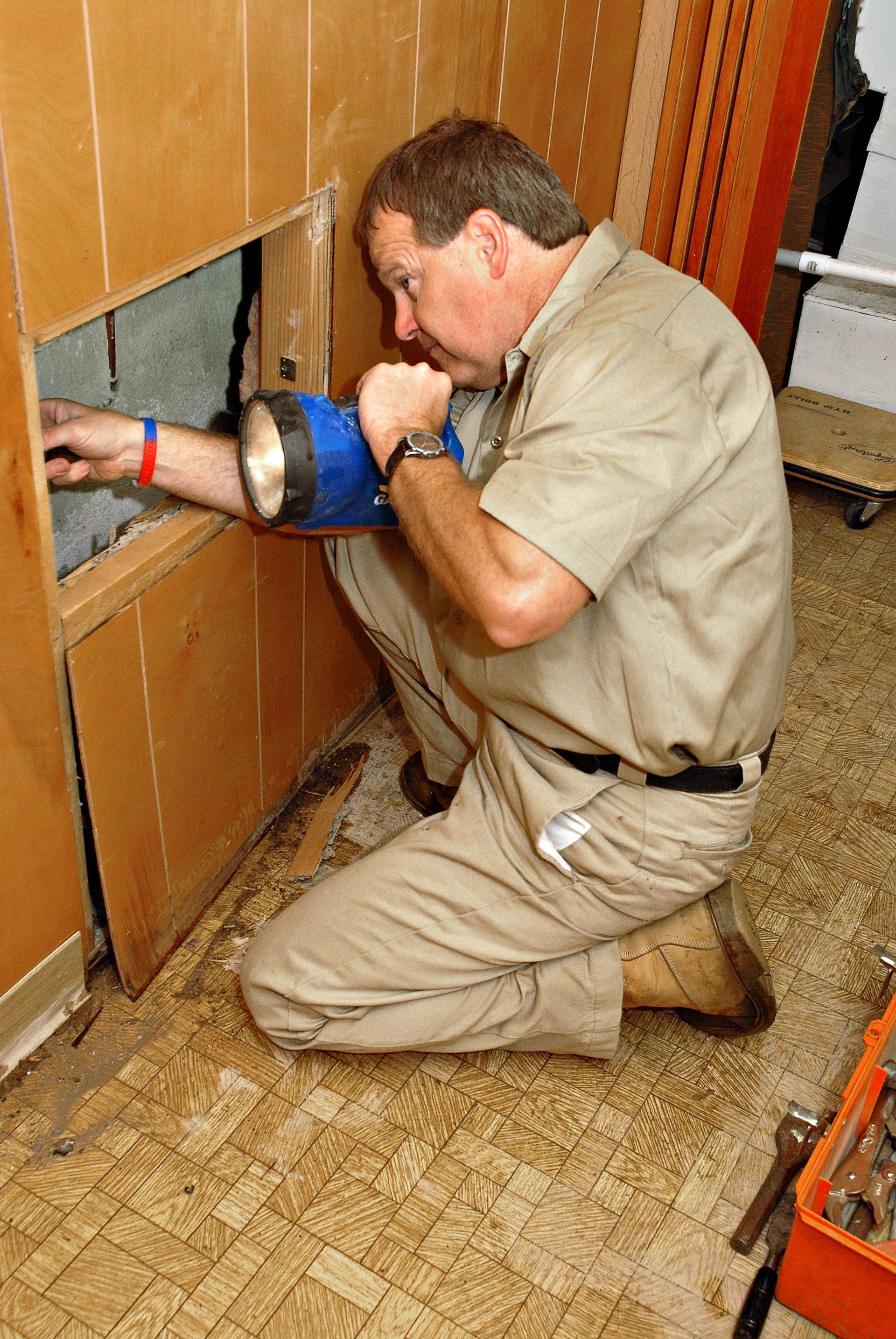
Identifying entry points for bats in structures requires expertise and experience. Experts methodically search for gaps, cracks, and openings in roofs, windows, and vents. Without a trained eye, small yet significant openings may go unnoticed. Professionals assess and seal these entry points to prevent bats from re-entering buildings. Their role in identifying and addressing these vulnerabilities ensures effective, long-term solutions against reinfestation.
Professionals possess the skills to thoroughly evaluate attic and wall spaces for evidence of bat habitation. Their knowledge facilitates an accurate assessment of concealed areas where bats may reside. Such evaluations are essential for developing effective removal and exclusion plans. By understanding these specific locations, experts can precisely target removal efforts. This focused approach reduces disturbance and ensures complete removal of bat colonies.
Professionals are adept at identifying potential nesting sites within human structures. They consider factors such as warmth, protection from predators, and ease of access. These spaces, like attics and eaves, frequently appeal to bats looking for secure roosts. Professionals address breeding boxes and nesting sites, eliminating potential attraction. Their comprehensive examination ensures that all such sites are considered in removal plans, effectively deterring bats from settling.
Bats may cause various damages to structural infrastructure, necessitating professional evaluation. Experts examine damages, including soiling from bat guano and urine or structural chewing. These assessments are integral to understanding the extent of an infestation and informing repair strategies. Professionals can also identify possible fire hazards due to gnawed wires or blocked vents. Their evaluations guide necessary repairs, thereby mitigating associated risks.
4. Effective Removal Techniques
Professionals employ humane exclusion methods as a primary technique for ensuring bats exit roosting sites. These methods involve creating one-way exits that leverage bats' natural exit behavior without allowing re-entry. Exclusion funnels, flaps, or nets are used to encourage bats to leave on their own initiative. This strategy minimally disrupts bat colonies while effectively removing them from human habitats. Humane exclusion respects wildlife and aligns with conservation objectives, a priority for professional services.
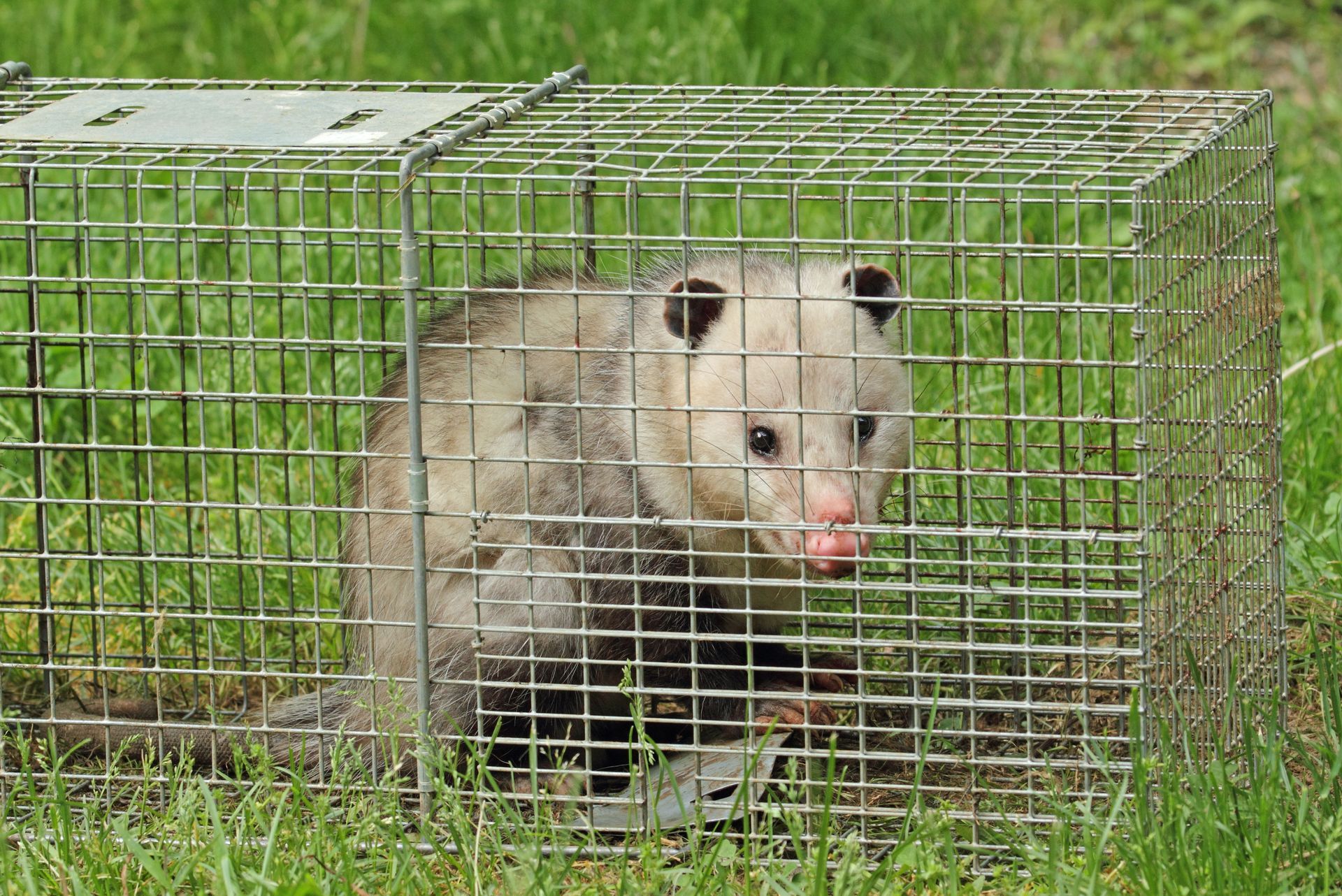
In particular scenarios, professionals may consider humane trapping of bats as an option. This method is generally reserved for use when exclusion is not feasible, ensuring bats are handled ethically. Professional trappers understand species-specific needs, avoiding unnecessary stress or harm. They release captured bats at suitable sites, away from human habitation. The overall effectiveness and ethical consideration of trapping make it a reliable technique when undertaken by professionals.
5. Wildlife Conservation Awareness
Professional bat removal prioritizes the protection and conservation of bat populations. Acknowledging their ecological role, professionals employ humane methods that respect bats' importance in biodiversity. Conservation-friendly techniques aim to minimize harm to bats while addressing human needs. Through awareness campaigns and educational resources, professionals promote wildlife conservation efforts. This balanced approach aligns bat removal goals with broader conservation objectives.
Collaborative efforts between bat removal professionals and wildlife organizations reinforce conservation goals. Professionals often work alongside organizations dedicated to wildlife protection, ensuring compliance with laws and ecological integrity. Such cooperations allow for the exchange of insights, furthering effective and ethical bat management. Partnerships support both local and broad conservation projects, uniting resources and expertise. Together, they foster sustainable solutions that respect both bat populations and human needs.
Bat removal is a complex task that necessitates expertise in wildlife behavior, health and safety protocols, and legal considerations. By hiring a professional, homeowners can ensure humane, effective, and efficient bat removal, while also contributing to the conservation of these beneficial creatures. Don’t wait for potential problems to escalate—enlist the help of an expert to protect both your home and local bat populations. The comprehensive knowledge and assistance provided by professionals make them indispensable allies in managing human-wildlife interactions. For all of your bat removal needs, contact Aksarben Bat & Critter Removal today!